Breath, continuity, memory
The launeddas are not merely an instrument: they are a way of keeping a sound alive. Three pipes, reeds, continuous breath and interwoven voices. A music that requires presence, time and listening. On this website, Luigi Lai provides a human thread—guiding the narrative without overshadowing the instrument itself.
Three pipes, a whole world
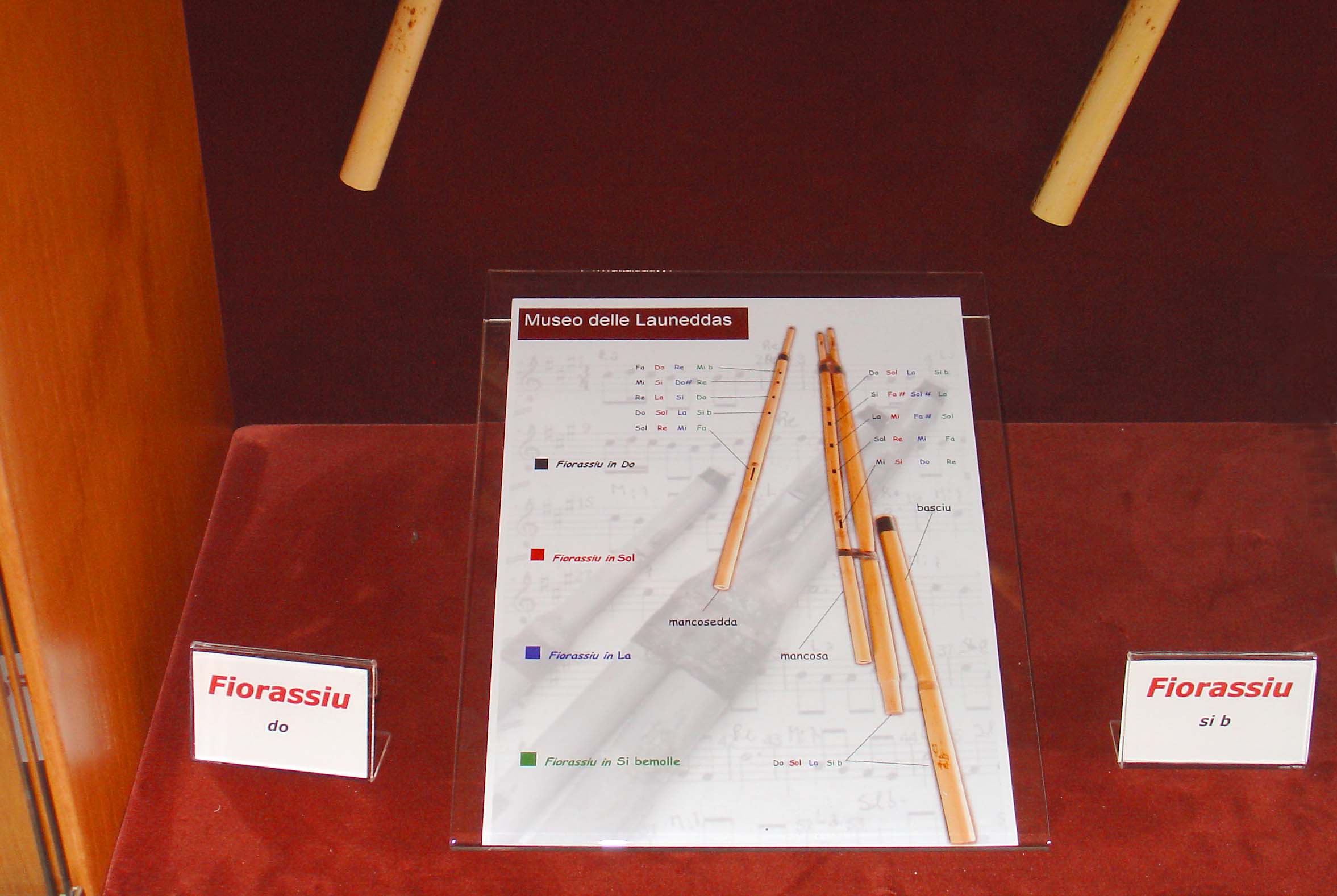
The launeddas combine melody and drone in a hypnotic weave. Continuous breath sustains a flow that does not break: the music changes, yet remains alive— like a line that bends without snapping.
Not a relic: a language
The launeddas grew within communal contexts: gatherings, dance, village life. For centuries, transmission was oral and practical: one learns by watching, listening, repeating— until gesture becomes natural and sound becomes steady.
This is why speaking about the launeddas means speaking about people as well. Luigi Lai is one of those who keep the tradition alive: his work accompanies the story without closing it, leaving space for the instrument and the culture that sustains it.
Five moments to orient yourself
This is not a full biography. It is a compact map to understand how a tradition continues over time.
1) Listening and imitation
At first the tradition passes this way: you listen, you try, you repeat until the sound “stands”.
2) Gesture becomes language
When breathing and balance feel natural, the instrument begins to speak with clarity.
3) A personal style
Each player brings a signature—rhythm, phrasing, intensity. Tradition is renewed, not broken.
4) Transmission
A master does not “keep” the tradition—he teaches it. Continuity depends on sharing.
5) Dialogue with the present
When a sound is authentic, it can cross contexts and decades without losing its identity.
Where to begin
If you want a simple route: listen first to a track, then browse the gallery. One large image at a time, one sequence at a time: it is the best way to enter this music.